
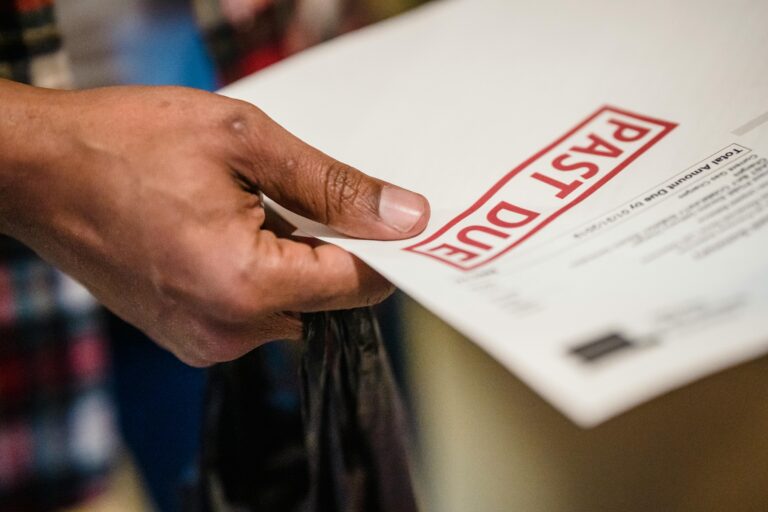
Automating Invoicing and Payments for Subscription Services
Subscription based businesses rely on consistency. Predictable revenue, recurring clients, and ongoing service delivery are what make the model attractive. Yet many subscription businesses still handle invoicing and payments manually, creating unnecessary work, delays, and cash flow gaps.
Automating invoicing and payments is one of the most effective ways to reduce administrative burden and get paid faster. When done well, automation improves accuracy, strengthens customer experience, and allows business owners to focus on growth instead of chasing invoices.
Why Manual Invoicing Slows Subscription Businesses Down
Manual invoicing creates friction in a business model that is meant to run smoothly. Each billing cycle requires generating invoices, sending reminders, processing payments, and recording transactions. Even small inefficiencies multiply quickly when billing dozens or hundreds of subscribers.
Manual processes also increase the risk of human error. Invoices can be missed, amounts can be entered incorrectly, or payments can be applied to the wrong customer. Over time, these mistakes lead to revenue leakage and frustrated customers.
Subscription businesses thrive on reliability. Automation helps ensure that billing happens consistently and correctly every cycle.
The Core Benefits of Automating Invoicing
Automated invoicing removes repetitive tasks from your workflow. Once a subscription is set up, invoices are generated automatically based on predefined schedules, pricing, and terms.
This consistency improves cash flow by ensuring invoices go out on time every time. It also creates a more professional experience for customers who receive predictable, accurate billing.
Automation also improves recordkeeping. Invoices are created directly within your accounting or billing system, reducing the need for duplicate data entry and minimizing discrepancies between systems.
Getting Paid Faster with Automated Payments
Automated invoicing is only part of the equation. Automated payments complete the loop by reducing the time between invoicing and cash collection.
When customers are set up for recurring payments, funds are processed automatically without requiring action each billing cycle. This eliminates late payments caused by forgotten invoices or delayed approvals.
Recurring payments also reduce the awkwardness of collections. Instead of sending repeated reminders, your system handles payment processing in the background, creating a smoother relationship with customers.
From a cash flow perspective, automated payments increase predictability. Knowing when funds will be received allows for better planning and fewer surprises.
Reducing Administrative Work
One of the most immediate benefits of automation is the reduction in manual work. Tasks like creating invoices, sending reminders, recording payments, and reconciling accounts can all be streamlined.
Automation does not eliminate oversight, but it shifts your role from data entry to review. Instead of spending hours each month on billing tasks, you can focus on reviewing exceptions, handling customer questions, and improving processes.
This efficiency is especially valuable as subscription businesses scale. What feels manageable with ten clients becomes overwhelming with fifty or one hundred.
Improving Accuracy and Reducing Errors
Automated systems follow rules consistently. Pricing, billing frequency, taxes, and discounts are applied the same way every time, reducing the chance of mistakes.
Errors in subscription billing can damage trust. Overbilling creates customer frustration, while underbilling quietly erodes revenue. Automation reduces both risks by standardizing how charges are calculated and applied.
When issues do arise, automated systems provide clearer audit trails. Invoices, payments, and adjustments are documented in one place, making it easier to investigate and resolve discrepancies.
Creating a Better Customer Experience
Customers value simplicity. Automated invoicing and payments create a seamless experience where billing feels predictable and unobtrusive.
Clear invoices, consistent billing dates, and automatic payment processing reduce confusion and support inquiries. Customers know what to expect and when, which strengthens trust and retention.
Automation also makes it easier to offer flexible options, such as monthly or annual billing, stored payment methods, and digital receipts. These features enhance professionalism and align with modern customer expectations.
Practical Tips for Implementing Automation
Successful automation starts with clean setup. Before turning on automated invoicing, review your subscription offerings, pricing structure, and billing terms. Clarity upfront prevents issues later.
Choose a system that integrates invoicing, payments, and accounting. When billing tools sync with your accounting software, transactions flow automatically into your books, reducing reconciliation work.
Test your automation before rolling it out broadly. Run a billing cycle internally to confirm invoices, emails, and payments behave as expected.
Finally, monitor exceptions. Automation handles routine transactions well, but failed payments, cancellations, and changes still require attention. Regular review ensures small issues do not become larger problems.
Common Pitfalls to Avoid
Automation does not mean set it and forget it. Pricing changes, tax updates, and customer modifications must be reflected in your system promptly.
Another common pitfall is overcomplicating workflows. Start with core automation and expand gradually. The goal is efficiency, not unnecessary complexity.
It is also important to communicate clearly with customers. Let them know when billing occurs, how payments are processed, and who to contact with questions. Transparency builds confidence in automated systems.
The Role of Accounting Oversight
Even with automation, accounting oversight remains critical. Regular review of invoices, payments, and reconciliations ensures your systems are functioning correctly.
Subscription businesses benefit from monthly reviews that confirm billed revenue matches payments received and deferred revenue is handled properly when applicable.
Working with an accounting professional can help ensure your automation aligns with accounting best practices and reporting requirements.
Automation as a Growth Strategy
Automating invoicing and payments is not just about saving time. It is a strategic move that supports scalability, improves cash flow, and strengthens customer relationships.
By reducing manual work and speeding up collections, subscription businesses create a foundation for sustainable growth. Automation allows your financial operations to keep pace as your customer base expands.
When invoicing and payments run smoothly in the background, business owners gain the freedom to focus on delivering value and growing their subscription offerings.