What Is A Profit And Loss Statement?
How familiar are you with the report commonly called a profit and loss statement? You may also know it by one of its many other names: income statement, earnings statement, revenue statement, operating statement, statement of operations, or statement of financial performance.
By whatever name you know it by — know that it is vital to your business. Let’s break down exactly what a profit and loss statement is, and how it can help you achieve your business goals.
Profit And Loss Statement: Defined
A profit and loss statement is a report that compares the total income of a business against its debt and expenses. It indicates the financial health of a company based on three things:
- Its ability to generate income through sales
- How well it manages expenses
- Does the company sustain a healthy profit margin?
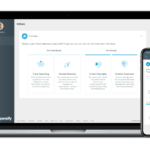
If you use Quickbooks Online, you can customize the report. For example, you can select what kind of data you want on the report, add or delete columns, and more. You can even personalize the font and style of the report.

What’s Its Function?
An important aspect of running a business is keeping track of your business finances, and this is where a profit and loss report comes into play. Expenses specifically related to your business are something you need a clear picture of at all times. Aside from tracking how your business is performing financially, a profit and loss statement and the information found in it will serve as a basis for:
- Developing realistic sales targets
- Setting prices
- Revealing how expenses impact profit
- Forecasting growth potential
- Developing a tax strategy
- Attaining loans and investors
Potential lenders and investors will demand a profit and loss statement before they will consider getting involved with your company. They will look at your net income compared with your expenses to make sure your business is financially healthy enough to be on the receiving end of one of their loans or investments.
Of course, having an accurate profit and loss statement depends on having accurate bookkeeping.
Tax Management
The information found in your profit and loss statement will be very important when it comes to determining your tax liability (and helping reduce it!).
It’s advisable to review your profit and loss statement every month to ensure you have a clear picture of where you stand financially and where you stand from a tax perspective. Some items on your profit and loss may not be deductible from a tax standpoint, so we recommended working with a tax professional.
Contact Redmond Accounting
We understand that accounting can be tedious and overwhelming, and that’s why we’re here — to help! Whether you have questions about profit and loss statements, checklists, or technology, or would like your accounting done for you, we’ll assist you every step of the way. Schedule a consultation to find out how we can best support your accounting needs.
To see more from Redmond Accounting, check out our previous blog: Business Financial Software Vs. Personal Financial Software.
Related Posts on Redmond Accounting CA
-
Cash Flow vs. Profit: Why Both Matter for Growing BusinessesEvery successful business owner keeps a close eye on their bottom line, but focusing on profit alone doesn’t always tell the full story. You can show a healthy profit on paper and still struggle to pay the bills. On the flip side, you might have strong cash flow even while posting a short-term loss. Understanding the difference between cash flow…
-
From Transactions to Insights: Using QuickBooks Reports for Smarter DecisionsFrom Transactions to Insights: Using QuickBooks Reports for Smarter Decisions Most business owners start using QuickBooks for one reason: to keep the books clean and stay compliant. They want invoices sent, bills paid, payroll tracked, and taxes handled without chaos. But once your bookkeeping is consistent, QuickBooks becomes something much more valuable than a record-keeping tool. It becomes a…
-
Understanding Purchases Versus Expenses in QuickBooksIn a prior blog post we discussed sales versus income. Today we will dive into another set of similar terms that have different meanings in QuickBooks. When working in QuickBooks, it’s essential to understand how the terms "purchases" and "expenses" are used. These terms may seem straightforward in everyday language, but in QuickBooks, they carry specific meanings that affect how…
-
Troubleshooting Reconciling in QuickBooks OnlineTroubleshooting Reconciling in QuickBooks Online: A Guide to Getting That $0.00 Difference Reconciling your bank or credit card accounts in QuickBooks Online (QBO) is a key part of closing your books and ensuring accuracy. But what happens when the numbers don’t line up? One of the most common challenges is troubleshooting the current reconciling items. The transactions that should…
-
The Top 5 Financial Mistakes Small Businesses Make and How to Avoid ThemThe Top 5 Financial Mistakes Small Businesses Make and How to Avoid Them Running a small business is both exciting and demanding. Between acquiring customers, delivering value, and managing operations, many owners underestimate how critical financial management is to long-term success. A few common financial mistakes can easily sink a business, but with awareness and the right habits most can…
-
How to Use KPIs to Improve Financial HealthHow to Use KPIs to Improve Financial Health Key performance indicators (KPIs) can help you improve your financial health through strategic monitoring of metrics that help you understand the underlying stability of your business. Let’s dive in! What are KPIs and How Can They Improve Financial Health? KPIs help you monitor an intended result. We discuss this in full detail…
-
Business Financial Software Vs Personal Financial SoftwareBusiness Financial Software Vs Personal Financial Software On the surface, the question of business financial software vs personal financial software may seem self-explanatory. However, there are some businesses that are using personal financial software for their business needs. The team at Redmond Accounting does not recommend that. At all. We’re here to shed some insight on the business financial software…
-
Workflow: Company Credit CardsWorkflow: Company Credit Cards Businesses generally follow best practices for purchasing goods and services by using controls such as purchase orders, check requests, and approval for vendor bill payments. But what happens when they pay by credit card? Our experts can automate your company credit card process. Schedule a free consultation! Schedule now Some businesses have one or two company…
-
Troubleshooting the Beginning Balance in QuickBooks OnlineIn our last blog post we went over the crucial first step of reconciling your accounts in Quickbooks. Once you've selected the checking account to reconcile in QuickBooks Online (QBO), the next step is troubleshooting the beginning balance to verify that what is shown on screen matches the beginning balance on your bank statement. This is a small but important…